Personal care packaging
Lotion Pump Capping Machines
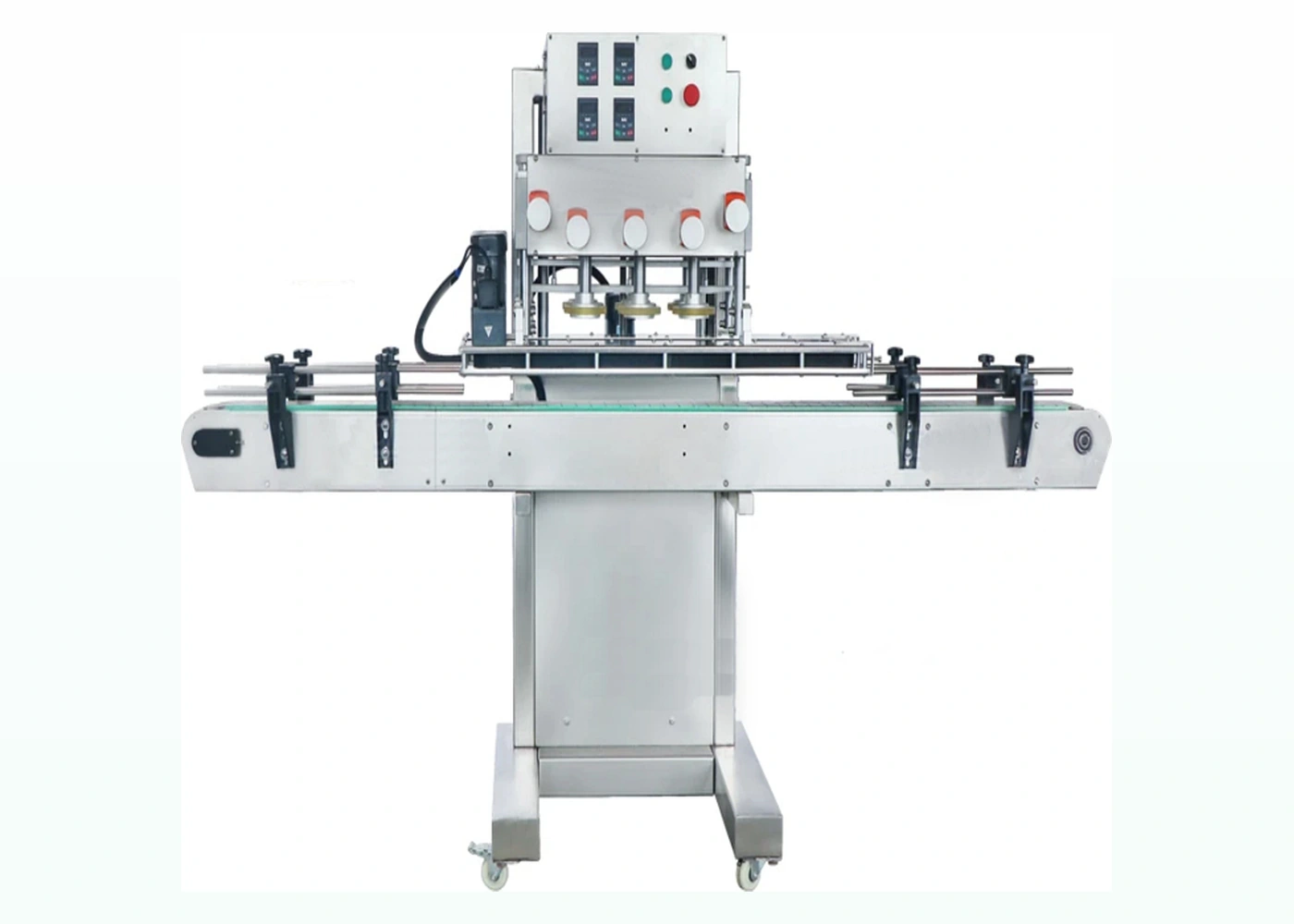
Machinery for placing and tightening lotion pumps used on hand wash, moisturiser, shampoo, conditioner and liquid soap packs.
Explore this applicationPump capping applications
Explore the handling priorities behind lotion pumps, cosmetic dispensers, trigger sprayers, airless packs and robust household or chemical formats.
 Personal care · cosmetics · household
Application engineering
Two pumps with the same collar diameter can behave differently because of tube stiffness, actuator geometry, thread start, locking position or packaging method. Bottles add another layer: soft walls, handles, decoration, offset necks and high centres of gravity all affect handling.
Each application page below explains the variables to include in a useful machinery brief.
Personal care packaging
Machinery for placing and tightening lotion pumps used on hand wash, moisturiser, shampoo, conditioner and liquid soap packs.
Explore this applicationCosmetics and skincare
Pump capping systems for premium skincare, serum, cleanser, foundation and personal-care packaging where presentation matters as much as closure security.
Explore this applicationDirectional closures
Automatic and semi-automatic systems for trigger sprayers used on household, automotive, gardening, janitorial and chemical products.
Explore this applicationPremium airless packs
Capping and assembly approaches for airless pump bottles used in skincare, cosmetics and sensitive formulations.
Explore this applicationRobust production packaging
Pump and trigger capping machinery for detergents, cleaners, disinfectants, lubricants and other household or industrial liquids.
Explore this applicationCommon project inputs
Provide these details at the start to reduce assumptions and focus testing on the real production risks.
Every bottle, pump and tube combination to be run.
Required production rate, batch length and shift pattern.
Final pump height, direction, lock state and cosmetic standard.
Conveyor, filler, labeller, coding and inspection details.
Torque, leak, damage and reject criteria for sign-off.
Next step
Product sector, pack format and production environment help define the right materials, guarding, handling and validation plan.
Application evidence
The product sector helps explain presentation and cleaning priorities, but the bottle, pump and dip tube still determine the machine configuration.
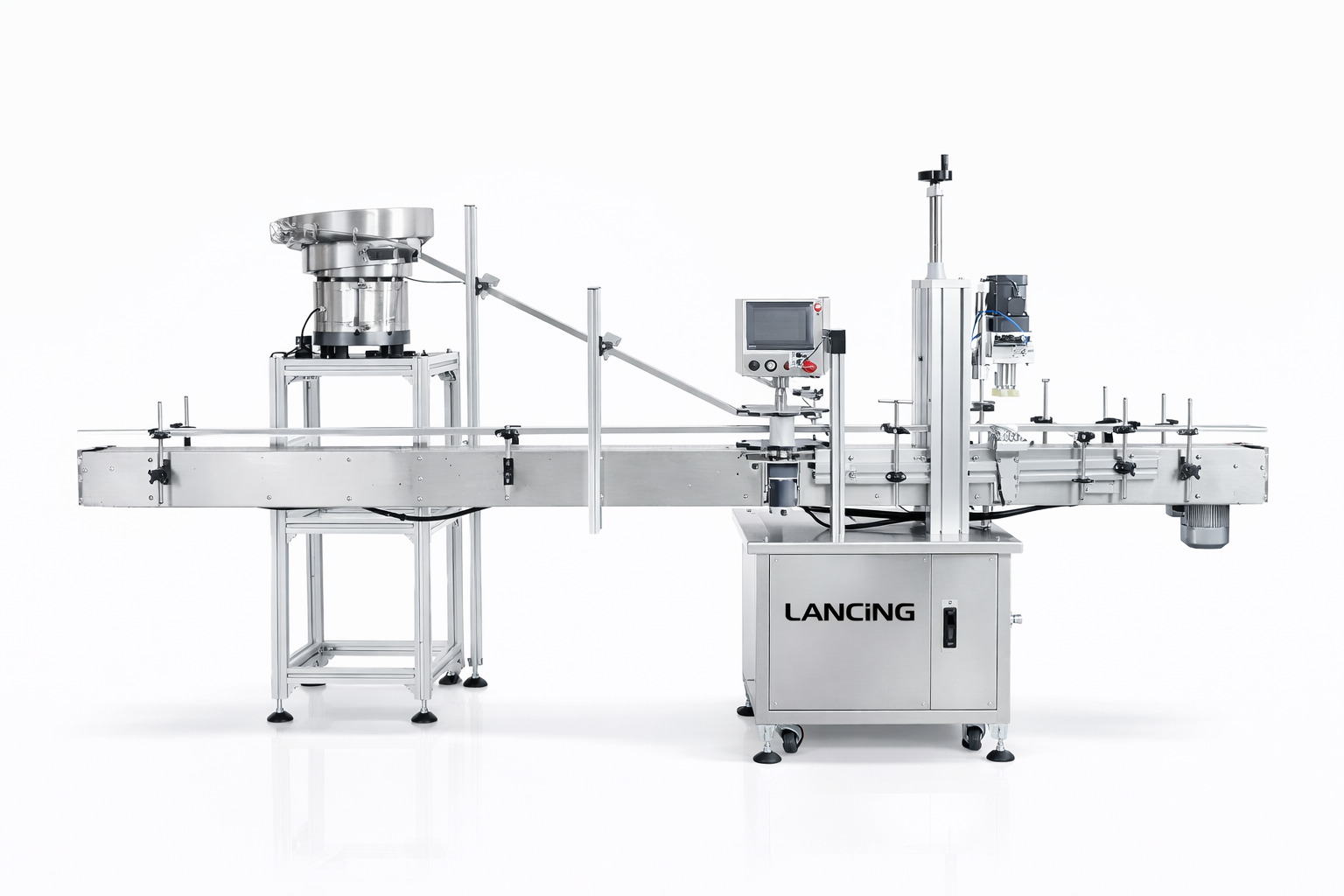
Pump Capping Machines UK covers lotion pumps, dispenser pumps, spray pumps, long dip tubes and the feeding, placement, tightening and bottle-control questions around them. It can compare a pump-led project that crosses personal-care and household packs. A trigger-only project should move to Trigger Cappers UK; standard bottle capping belongs on Bottle Cappers UK; and a broad capping-machinery search is covered by Capping Machines UK.
Cosmetic lotion pumps may require careful visible-surface handling and controlled actuator presentation. Household chemical packs may use flexible HDPE bottles, larger triggers or residue-prone closures. Airless packs may involve several assembly stages rather than one screw-capping step. Group formats by shared handling method, then test the hardest representative from each group.
Fill level and product density affect bottle stability; residue can affect grip and sensors; decorated packs set cosmetic limits; and the operating environment affects cleaning and materials selection. State these conditions early, but avoid assuming that products in the same market use equivalent closures.
Application trial
A useful application trial proves the difficult component interactions and records enough evidence to repeat the result at site.
Identify closure families that share the same feeder, transfer, head and bottle support.
Select the longest tube, least stable bottle, most visible finish and most directional closure.
Define height, direction, torque/removal torque, cosmetic condition and reject criteria.
Include replenishment, planned stops, controlled faults and a representative changeover.
Link each specialist intent to the correct Lancing domain and retain one preferred URL per search need.
Project review
Send the product sector, complete bottle-and-pump range, target output and acceptance priorities for a focused review.
Application evidence
Product sector alone does not determine the machine. Bottle stability, neck condition after filling, pump presentation, tube behaviour, actuator state and finished-pack checks must be defined for each format.
Protect decorated bottles, control long tubes and define whether the actuator must remain locked or face a label datum. Start with lotion pump capping.
Include filled weight, residue around the neck, cleaning requirements and robust bottle support. Review household and chemical pump capping.
Control component revisions, short runs, frequent changeovers and customer-specific acceptance. See pump cappers for contract packing.
Record bottle and pump identity, normal bulk packaging, expected filled-weight condition, required output, actuator direction, lock state, closure-height or torque method, cosmetic criteria and any upstream or downstream interface. Use the compatibility guide before a trial and the FAT and SAT guide when formal acceptance is required.
Additional pump formats
These closure families need their own sample review because actuator shape, overcaps, pump-head size and functional checks can differ from a standard lotion pump or trigger sprayer.
Fine-mist and atomiser pumps
Plan tube insertion, slender actuator protection, nozzle orientation, optional overcap handling and finished-pack checks for fine-mist sprayers.
Foam dispensers
Assess larger pump heads, bottle restraint, actuator condition, tube behaviour and dispensing-function acceptance for foaming-pump packs.
Bottle material
The closure may be the same while the container changes the stability, side pressure, contact standard and inspection method required from the line.
Compare bottle stiffness, filled weight, neck support, cosmetic contact and sample evidence for the three principal bottle-material families used with pump closures.
Separate thread start, sealing features, torque, product contamination and storage conditions before changing machine settings.