Pump capping machinery for UK production lines

Find the pump capping machine that fits your bottle, pump and output.

Tell us what you need to cap, how fast you need to run and which formats you use. We’ll help you compare practical semi-automatic and automatic routes, then confirm the choice with your samples.

  • Matched to your bottles and pumps
  • See real machinery before you invest
  • UK installation and aftercare

Prefer to talk through your application? Call 01494 623015

Fewer misfeedsTube control and closure presentation planned together
More consistent packsBottle support and repeatable tightening
Faster changeoversTooling matched to your approved formats
UK supportFrom sample review to installation and aftercare

Choose around the complete pack

Choose a machine that works with your real pump, bottle and production conditions.

Pump closures combine an actuator, collar and flexible dip tube. Reliable capping depends on how those parts are presented, inserted, supported and tightened on your actual bottle.

Share your bottle shape, neck finish, tube length, pump geometry, filled weight, required direction and target output. That evidence helps identify the most practical route, from operator-assisted tightening to a fully automatic feeding and capping line.

Read the pump capper buyer’s guide

Machine selector

Tell us how you want to run production.

Choose the closest automation route below. We will then confirm suitability against your bottle, pump and production samples.

Not sure? Send us the pack details.

Pump capping machine range

Move from hand tightening to a repeatable capping process at the pace you need.

Compare practical machine routes, then use bottle and pump samples to confirm feeding, bottle control, tightening and changeover requirements.

See all pump capping machines

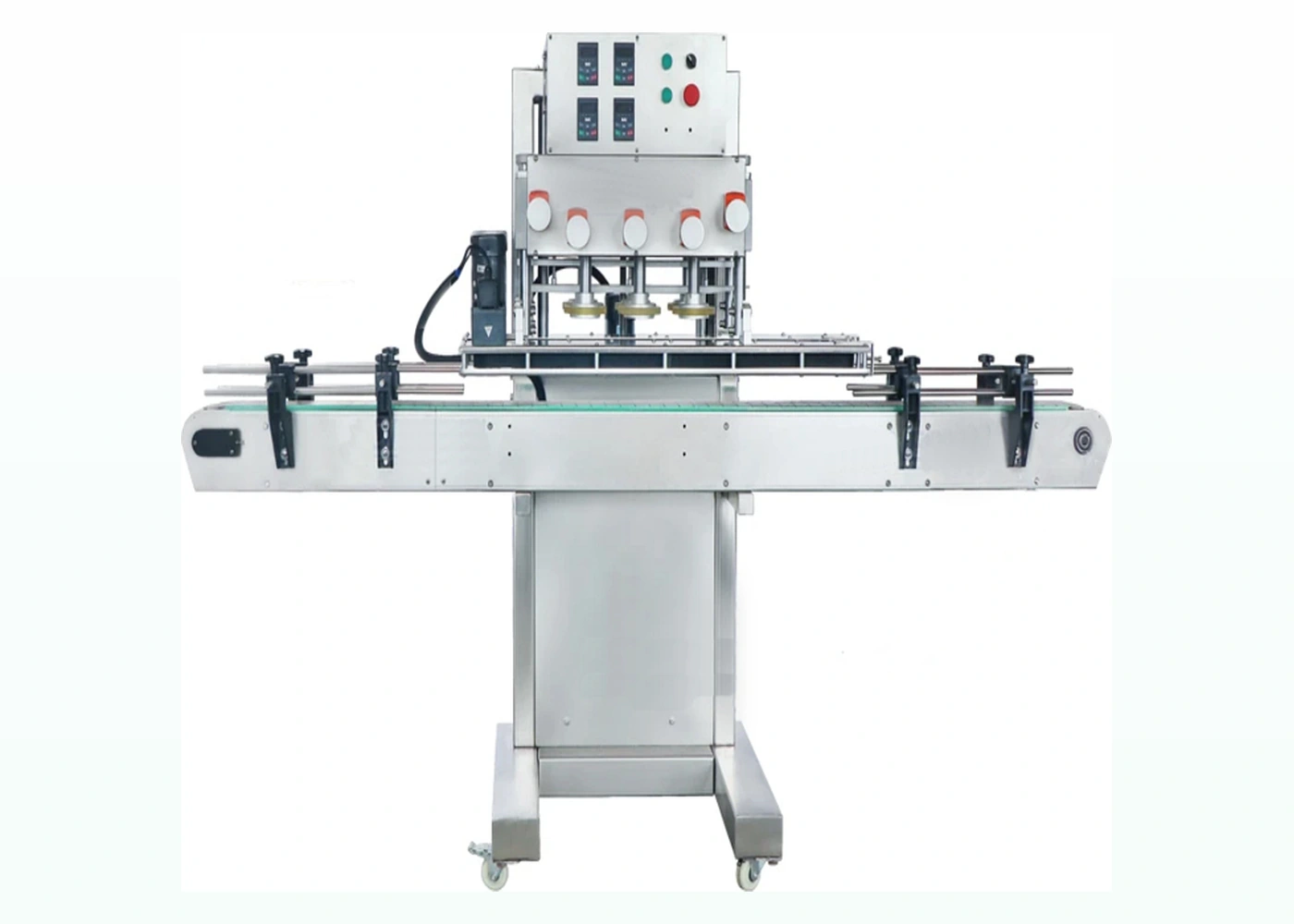
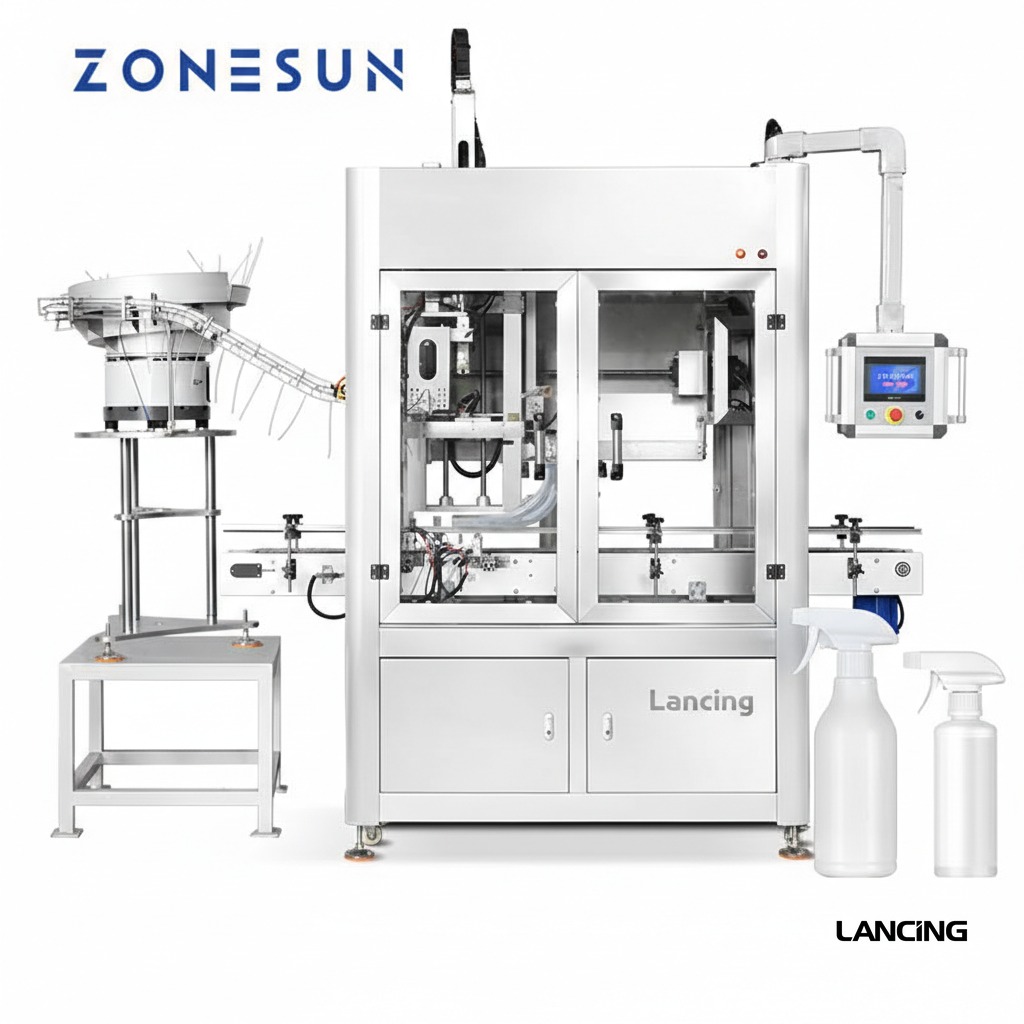
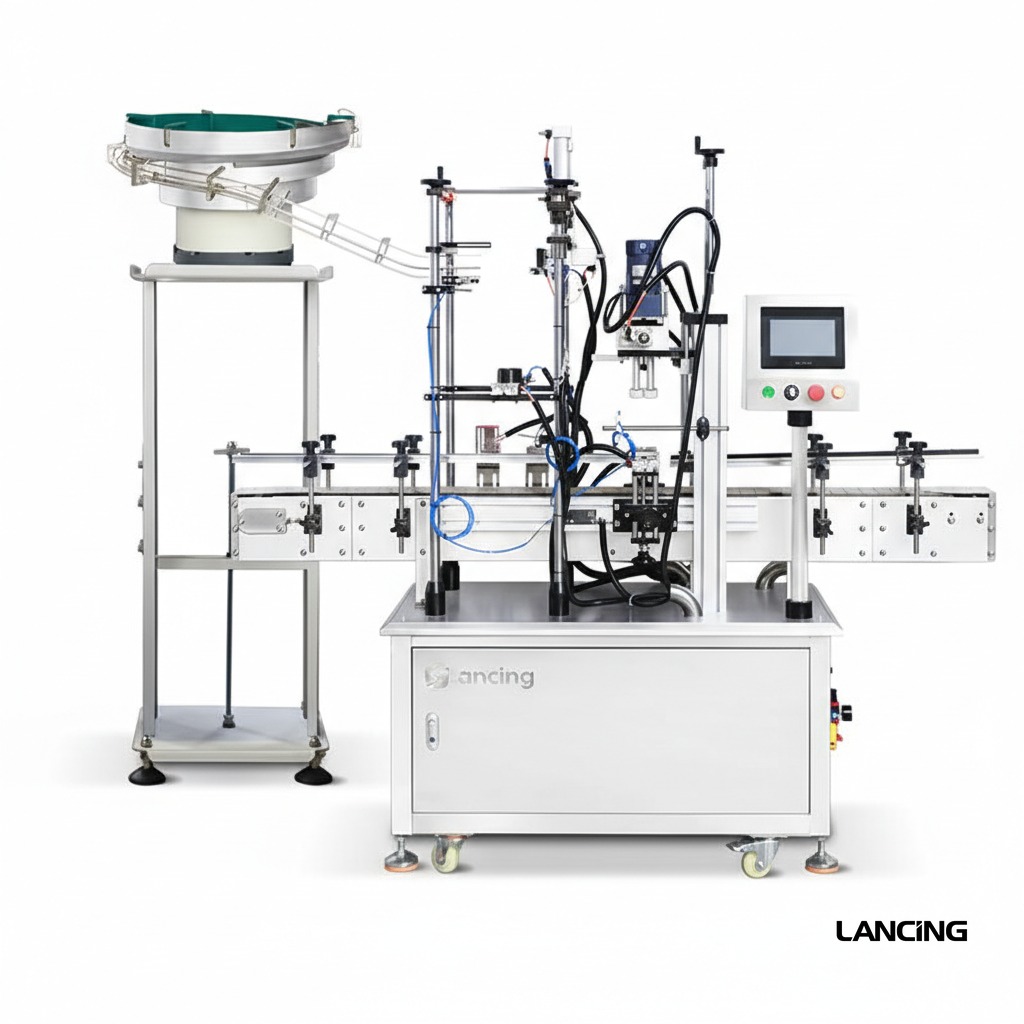
Automatic inline configuration

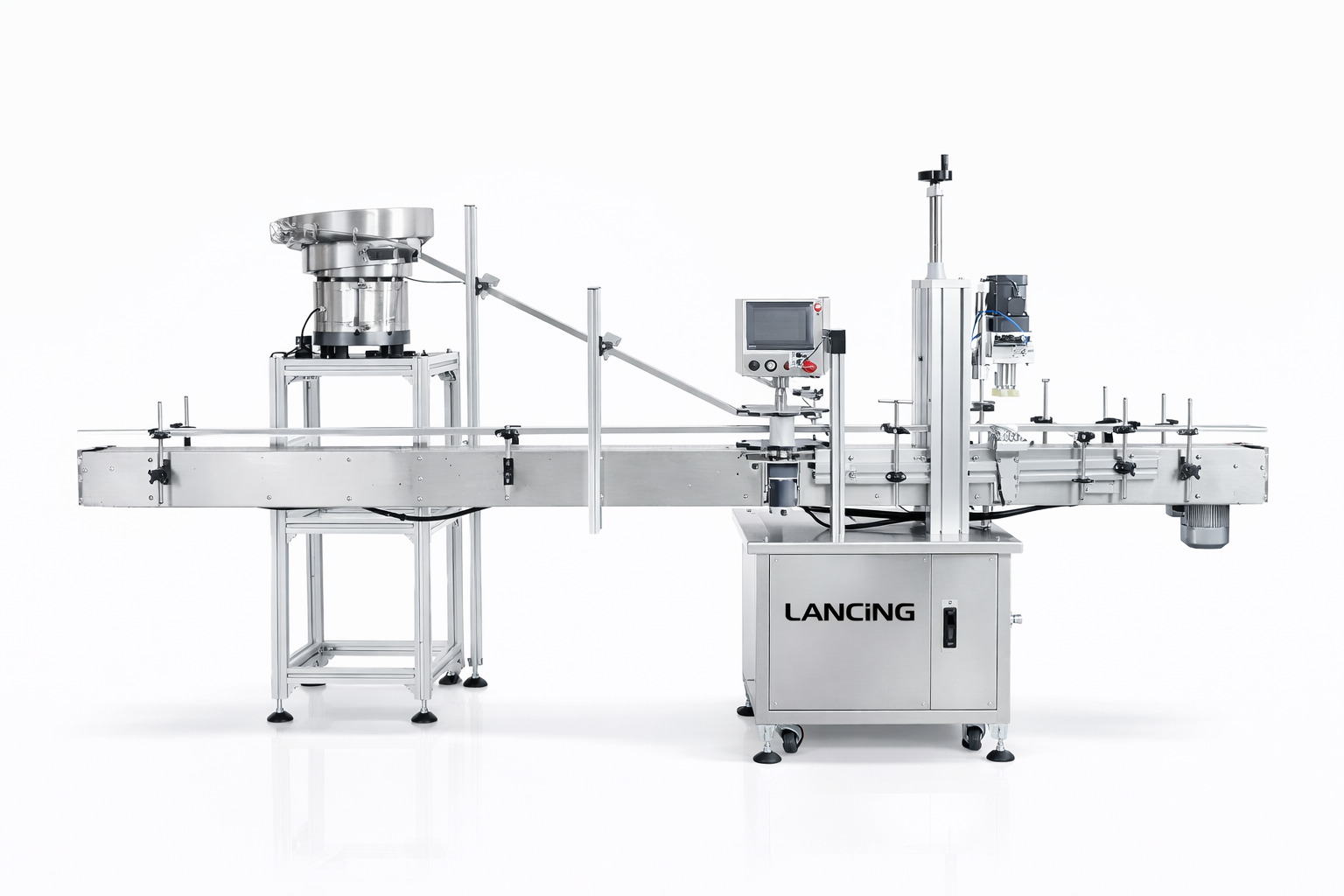
Automatic inline pump capper

An automatic in-line system for placing and tightening pump closures, with bottle handling, closure transfer and powered capping in one compact production cell.

Output
Confirmed by sample trial
Best for
Growing production lines that need consistent pump placement and repeatable tightening.
View machine details

High-throughput rotary configuration

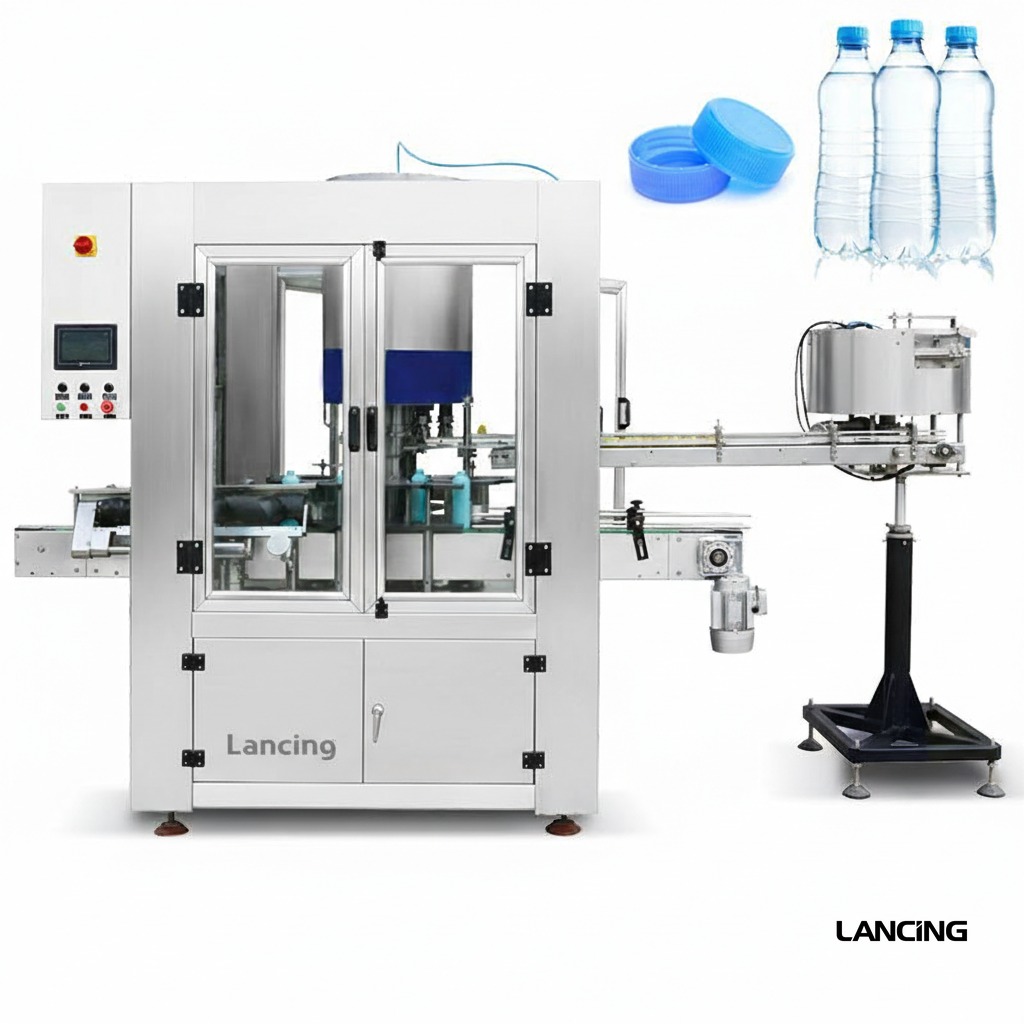
High-speed rotary capper

A custom rotary platform for high-volume pump bottle production where controlled transfer, repeatable closure placement and continuous output are critical.

Output
Configured for sustained high-throughput production
Best for
Large, stable product runs and production environments targeting multi-thousand-bottle hourly output.
View machine details

Semi-automatic configuration

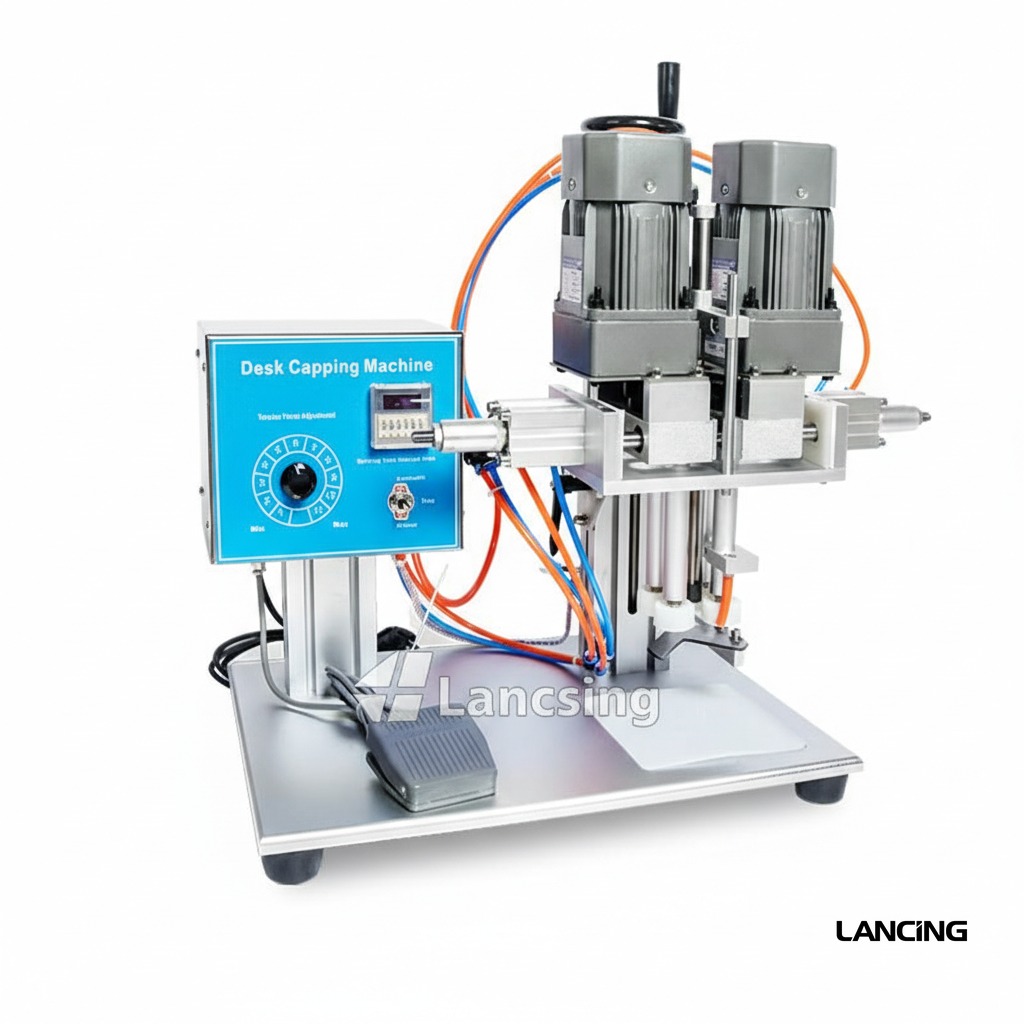
Semi-automatic pump capper

A compact pneumatic capping machine for operators who manually place pump closures and need faster, more repeatable tightening than hand capping.

Output
Operator- and format-dependent; confirmed by trial
Best for
Start-ups, short runs, frequent format changes, laboratories and lower-volume production.
View machine details

Pump-cap feeding configuration

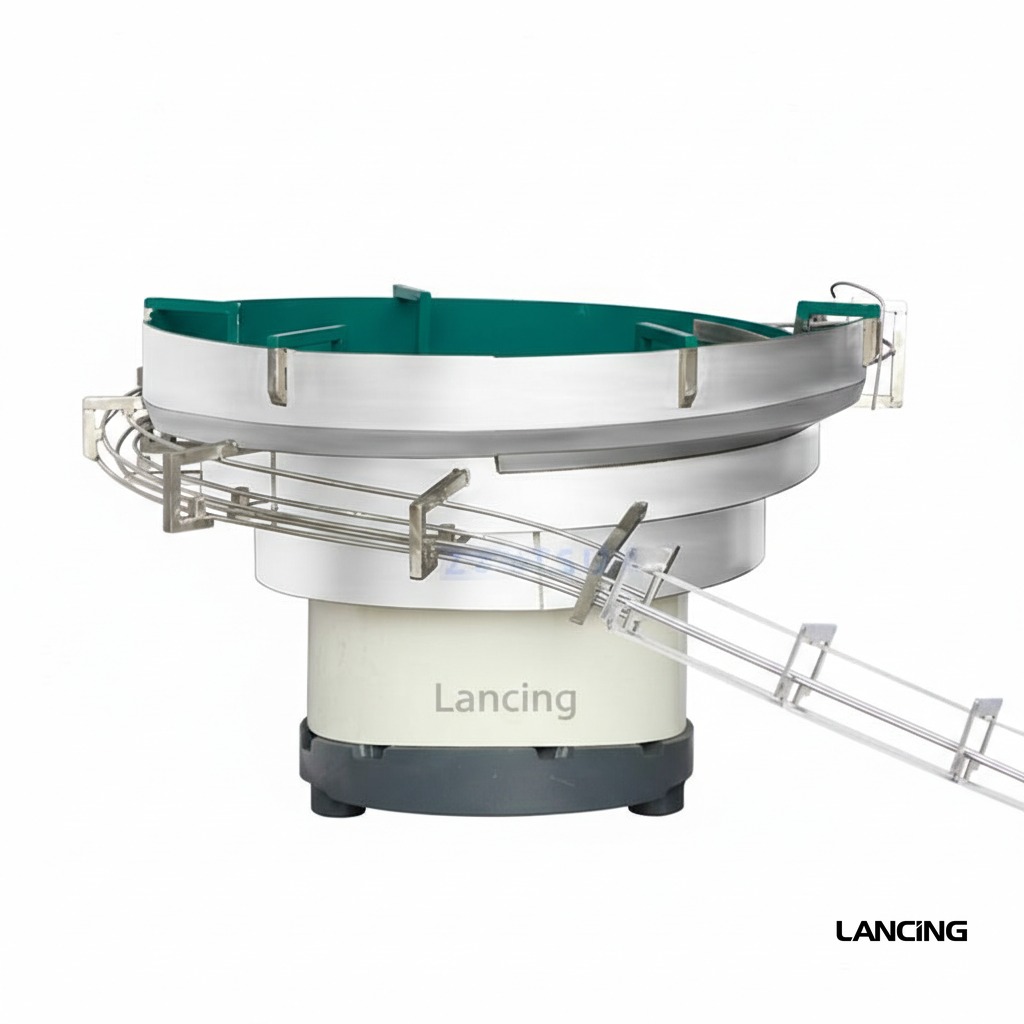
Pump cap feeding machine

A dedicated machine for automatically presenting, picking and placing pump closures before a separate tightening station or integrated capping section.

Output
Matched to the downstream capping rate
Best for
Lines where long dip tubes and asymmetric pump heads make closure feeding the principal automation challenge.
View machine details

How the process works

Five controlled steps from loose pump to finished pack.

Automation level changes, but the underlying engineering sequence remains the same.

01

Present

Supply each pump consistently, manually or from an automatic feeding system.

02

Orient

Control the actuator and tube so the closure approaches the bottle correctly.

03

Insert

Guide the dip tube through the bottle neck without snagging, folding or missing.

04

Stabilise

Support the bottle and closure while the thread starts or the assembly engages.

05

Tighten

Apply the validated capping cycle and inspect security, height and presentation.

Applications

Choose machinery around the pack your customer will pick up and use.

Pumps used in personal care, cosmetics and household products create different handling and presentation priorities.

Browse all applications

Watch real machinery

See how capping equipment controls bottles and closures in motion.

A machine video helps you assess bottle support, cap presentation and tightening sequence before your own samples are trialled.

View all machine videos

Technical guidance

Make a confident machinery decision before you invest.

Practical guides for defining the pack, automation level, acceptance criteria and production interfaces.

Visit the knowledge centre

UK contact

Get a recommendation based on your bottles, pumps and production target.

Send photographs, dimensions, target output and the formats you need to run. Representative physical samples allow the final proposal and test plan to be confirmed.

Company addressLancing Ltd
Unit 5A Jefferson Way
Thame, Oxfordshire
OX9 3SZ
United Kingdom

Practical answers

Frequently asked questions

Every pump format behaves differently. Final machine selection and performance are confirmed through sample review and agreed trials.

What is different about capping pump closures?

Pump closures combine a threaded or press-fit collar with an actuator and a long dip tube. The machinery must control tube insertion, closure orientation, bottle stability and the final tightening or assembly operation.

Can one machine handle several bottle and pump sizes?

Often yes, within an agreed range. Guides, chucks, belts, pockets or feeder tooling may need adjustment or change parts. Every bottle-and-pump combination should be listed and trialled before the final specification is agreed.

Do you offer semi-automatic and fully automatic options?

Yes. Semi-automatic machines retain manual pump placement and automate tightening. Fully automatic systems can add bottle handling, pump feeding, orientation, placement and integrated capping.

What samples are needed for a proposal?

Provide representative bottles and pumps from normal production supply, including every planned format. Filled-weight samples or safe ballast, product labels and closure specifications are also useful.

Can a pump capper be integrated with an existing line?

Yes, subject to a survey of conveyor height, speed, direction, accumulation, controls, guarding, available space and the performance of the upstream and downstream equipment.

Next step

Send us your bottle and pump details

We will review the pack, required output and line interfaces, then recommend a practical route to testing and quotation.

Pack-led specification

Specify the complete pump pack, not only the cap diameter.

A pump capping machine has to control a closure with an actuator, collar and dip tube while the bottle is presented, supported and tightened. The most useful enquiry describes that complete interaction.

Why pump closures need a pack-led review

Two pumps with the same nominal thread can behave very differently. Actuator shape affects orientation and gripping; collar height changes where a chuck or belt can apply force; tube length, stiffness and curvature affect insertion; and bottle weight or sidewall flexibility affects stability. These variables should be assessed together before an automatic pump capper, semi-automatic tightening station or separate pump feeder is selected.

Use sustained production conditions

A short cycle on one ideal component does not establish a reliable production rate. Trials should use representative bottles and pumps from normal supply, realistic replenishment, the intended filled weight or safe ballast, and enough running time to expose tangles, orientation faults, cross-threading and restart behaviour. The result should state the tested format, machine arrangement and acceptance method rather than presenting one speed as universal.

Choose the route around the hardest step

Manual pump placement with powered tightening can be appropriate for short batches and frequent format changes. Automatic inline systems add pump presentation, transfer and insertion. High-output rotary machines require stable, repeatable components and controlled transfers. Where the specialist requirement is trigger-sprayer orientation, dedicated guidance is available from Trigger Cappers UK; dedicated closure-feeding projects are covered by Cap Feeders UK.

Selection pathway

Turn the evidence into a machine route and an acceptance trial.

The decision becomes clearer when the format range, handling risk and production requirement are reviewed in a consistent order.

01

Define the formats

Record bottles, neck finishes, pumps, actuator direction, tube length and component variation.

02

Identify the handling risk

Find the most difficult point: separation, orientation, tube insertion, thread start, tightening or bottle support.

03

Choose the architecture

Compare operator-assisted, inline feeder-led, mixed-format and rotary routes against the real risk.

04

Agree acceptance

Define sustained output, quality checks, fault response, changeover evidence and reject handling before testing.

05

Confirm the scope

Fix the approved formats, utilities, line interfaces, responsibilities and handover evidence in the proposal.

Project review

Start with the bottles and pumps you actually buy.

Send photographs, dimensions, the full format list and target output. Lancing can then identify the evidence needed for a practical machine review.

Tightening method

Choose the pump-cap tightening route after the closure has been presented correctly.

The capping head cannot compensate for an uncontrolled dip tube, a pump sitting off-centre or a bottle that moves as the thread starts. Separate placement, thread engagement and final tightening when comparing machines.

Pump cap tightening machine route comparison
Machine routeWhere it can fitEvidence to confirm
Operator-placed chuck or torque headShort runs and frequent format changes where an operator can place each pump before the powered cycle.Chuck contact, bottle support, thread start, operator sequence and the quality check used for each batch.
Automatic placement with a controlled capping headInline projects where pumps must be presented, inserted and tightened as one repeatable sequence.Feeder handover, tube entry, pump-present confirmation, bottle position and the accepted tightening result.
Progressive belt or spindle tighteningApplications where the closure can be started squarely before progressive wheel contact and the bottle can remain stable through the tightening zone.Pre-threading method, cap contact surface, bottle side support, scuff limits and removal-torque method. General spindle-cap projects are covered in more depth by Spindle Cappers UK.
Rotary or multi-head configurationStable higher-output projects where transfer, placement and tightening are engineered around a defined format set.Approved component revisions, transfer control, sustained test conditions, interventions, rejects and changeover evidence.

Describe the finished pack, not only the machine you think you need.

A useful pump-capping enquiry starts with the bottle, neck finish, pump collar, actuator and dip tube. State whether the pump is supplied locked or unlocked, whether the actuator must finish in a particular direction and how closure security is checked. Those details determine whether the main risk is feeding, insertion, pre-threading, tightening or bottle control.

Use the most difficult production format

Identify the longest or softest tube, the least stable bottle and the closure most likely to arrive tangled or curved from bulk packaging. Include labelled or decorated bottles where cosmetic contact matters. The easiest format should not be allowed to hide a handling problem that appears on the rest of the range.

Separate cycle rate from sustained output

Define the required rate over an agreed production-style run, including normal pump replenishment, bottle supply and permitted operator tasks. Record stops and interventions by cause. This gives a practical basis for comparing a semi-automatic pump capper, an automatic inline pump capper or a separate pump feeding and placement system.

Agree how the finished closure will be accepted

Torque or removal torque may form part of the quality plan, but it should be considered with closure height, thread engagement, actuator direction, leakage, cosmetic condition and reject handling. Use the pump cap torque and quality guide to define a repeatable inspection method before the machine trial.
Machine recommendation

Send the complete pack and the production condition you need to achieve.

Lancing can compare the placement and tightening routes, identify the main trial risks and define the evidence required for a quotation.

Complete project planning

Move from a pump sample to a production-ready capping route.

The strongest specification connects closure compatibility, automatic or operator-assisted handling, line capacity, installation and acceptance evidence before equipment is released for production.

Prove the pack

Assess the bottle neck, pump collar, actuator state, dip-tube behaviour and normal bulk packaging. Use the pump-closure compatibility guide to prepare representative samples.

Define the production basis

State accepted packs over a representative period, including replenishment, operator work, interventions and quality sampling. See output and capacity planning.

Set the project boundary

Identify pump feeding, placement, pre-threading, tightening, conveyors, controls, inspection, installation and testing. The cost-factors guide helps compare quotations on the same scope.

Choose the route from the operating model

Short and varied campaigns may suit manual pump placement with a controlled semi-automatic tightening cycle. Stable campaigns can justify automatic feeding, tube insertion and inline capping when the components are proven for bulk handling. Rotary or multi-head equipment may be considered where the complete line, pack and changeover pattern support that architecture.

Connected projects also need defined transfers, accumulation, ready and fault signals, reject handling and restart behaviour. Use the line-integration guide before finalising responsibility between the capper and neighbouring machinery.

Machine recommendation

Send the real bottles, pumps and production requirement.

Lancing will review the handling risk, suitable automation level, trial requirements and project boundary before a machinery proposal is prepared.

Questions buyers ask

Questions that make a pump-capping recommendation more useful.

These answers help turn a broad request for a pump capper into a review based on the real bottle, pump, operating pattern and acceptance evidence.

What should a buyer send before asking for a pump capper recommendation?

A useful pump-capper request includes the complete bottle-and-pump format list, photographs or drawings, normal bulk pump packaging, target sustained output and the finished-pack checks that matter. Those inputs show whether the main risk is pump feeding, dip-tube insertion, thread start, tightening or bottle control.

Include the least stable bottle, the longest or softest tube and any decorated pack that must remain unmarked. The most demanding approved format is normally more informative than one easy sample.

How should target output be described for a pump capping line?

Describe target output as accepted bottles over a representative production period, not as an isolated machine cycle. State normal pump replenishment, operator tasks, quality sampling, allowed interventions and the upstream and downstream equipment that must keep pace.

This separates a theoretical cycle rate from sustained saleable output. It also gives Lancing a consistent basis for comparing semi-automatic, inline automatic and higher-output architectures.

When is automatic pump placement worth adding?

Automatic placement becomes credible when pump presentation and tube insertion can be made repeatable enough to remove a significant manual task without creating more stops than it saves. Stable components, longer campaigns and a clear output requirement usually strengthen the case.

Short batches, frequent unplanned format changes or pumps that arrive highly tangled can still favour operator placement with powered tightening. A sample trial should compare the whole operating method rather than automation level alone.

Can the easiest format hide problems in the rest of the range?

Yes. A short, straight tube and a heavy cylindrical bottle can run cleanly while a longer curved tube or flexible decorated bottle exposes missed insertion, cross-threading or instability. Testing only the easiest combination can produce a misleading machine choice.

Build a format matrix and identify the likely worst case for feeding, tube entry, bottle support, actuator clearance and final presentation. The final proposal can then state which formats share settings and which need tooling or a separate route.

Browse the question libraryDiscuss your pump-capping project

Practical next step

Start with the format that is hardest to feed, insert or stabilise.

Send the full range rather than one convenient sample so the recommended machine route is based on the production risk that matters.

Closure-family selection

Choose the capping route around the pump family and the finished pack.

Lotion pumps, fine-mist sprayers, foaming pumps and trigger sprayers can all use dip tubes, but their head geometry, orientation, overhang and finished presentation create different handling risks.

Pump closure families and the machinery questions to resolve
Closure familyTypical handling concernBest next page
Lotion or dispenser pumpActuator lock state, long-tube entry, square thread start and cosmetic contact.Review lotion-pump capping
Fine-mist or atomiser pumpSlender actuator protection, optional overcap, nozzle direction and tube insertion.Review fine-mist pump capping
Foaming pumpLarger head geometry, bottle restraint, actuator condition and functional acceptance.Review foaming-pump capping
Trigger sprayerWide overhang, final direction, tube curvature and clearance through the line.Review trigger-spray capping
Discuss your bottle and pumpCheck closure compatibility

Complete-line questions

Plan inspection, rejection and safe access before the machine layout is fixed.

The capping mechanism is only one part of a reliable line. Define how a failed pack is detected and removed, and how operators replenish, clean, change over and recover the equipment safely.

How should pump caps be inspected on an automatic line?

Use the defect risk to choose the check. Pump presence, closure height, seating, actuator direction and reject confirmation can be assessed without opening the pack, while torque, leakage and dispensing function may require controlled sample testing. No single sensor proves every aspect of closure quality.

What safety information is needed before specifying a pump capper?

Define the operating modes, access points, moving hazards, stored energy, cleaning tasks, replenishment method, fault-recovery sequence and interfaces with adjacent conveyors. The final safeguarding and risk assessment must be completed for the actual machine and connected line.

Format-led review

Send the hardest bottle, pump and production condition.

Lancing can compare closure handling, bottle control, inspection, guarding and the required output before a machinery route is proposed.

Three specification checks

Resolve bottle material, leak evidence and overcap sequence before the machine route is fixed.

These factors often sit outside the headline capping method, yet they can change bottle support, station order, inspection and the samples needed for a reliable proposal.

Send your complete pack detailsBrowse technical guides
Call 01494 623015 Send project details