
Buyer’s guide
How to Choose a Pump Capping Machine
A practical selection framework covering closure geometry, output, feeding, torque, bottle stability, changeover and acceptance testing.
Practical pump capping advice
Practical guidance on machine selection, automation level, closure feeding, dip-tube handling, torque, quality control and troubleshooting.
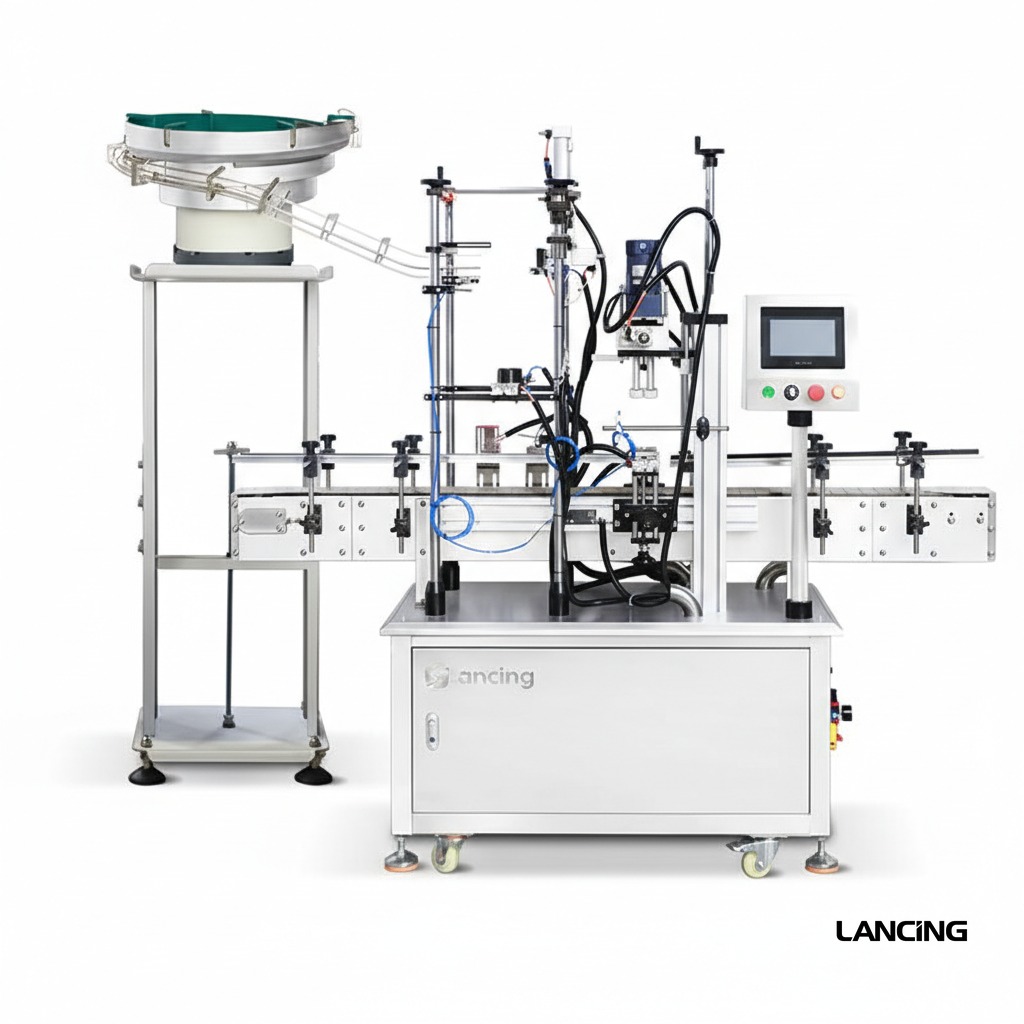 Selection · testing · quality
Technical library
Use these articles to prepare a machinery brief, understand project trade-offs and diagnose common production faults.
Buyer’s guide
A practical selection framework covering closure geometry, output, feeding, torque, bottle stability, changeover and acceptance testing.
Automation decision
Compare labour, output, flexibility, closure feeding, capital complexity and production control before selecting an automation level.
Engineering guide
Why pump feeding often determines line performance, and how tube length, stiffness, head geometry and packing method affect automation.
Capping quality
Build a practical quality plan for pump closures using application settings, removal torque, closure height, orientation and leak testing.
Production support
Diagnose common pump capping faults including cross-threading, poor tube insertion, inconsistent torque, bottle instability and closure presentation errors.
Specification checklist
The information, samples and acceptance criteria needed to obtain a useful pump capping proposal and reduce project risk.
Suggested reading path
Follow these three guides in sequence to move from basic selection to a testable project specification.
Define the pack, real output, bottle control and quality criteria.
Assess how pump geometry and tube behaviour affect automation.
Gather the samples, interfaces, utilities and acceptance data needed for quotation.
Next step
Use the project checklist, then send the completed pack details and sample photographs to the Lancing Ltd machinery team.
Project sequence
Each guide answers a different decision. Together they convert an initial pack description into a testable machine specification.
Use the buyer guide to define the pack, handling risk, output and likely machine architecture.
Compare operator-assisted and automatic routes using labour, format range and sustained production work.
Review bulk pump supply, orientation, transfer and dip-tube entry before assuming the capper rate.
Agree height, direction, torque/removal torque, cosmetic condition and reject evidence.
Use the checklist for samples, interfaces, FAT, change control, commissioning and handover.
A strong evidence file prevents the project from being reinterpreted at each stage. Keep the approved format matrix, component revisions, photographs, drawings, trial videos, machine settings, quality methods, fault tests and agreed changes together. The same evidence can support quotation scope, design review, FAT, site acceptance and operator training.
Give every bottle-and-pump combination a clear identifier. Record neck finish, bottle dimensions and weight, pump collar and actuator features, tube dimensions, final direction, bulk packing and known component variation. Link each trial result to the exact format and component batch used.
Slow or frame-by-frame video can reveal a tube catching, a collar entering at an angle or a bottle moving before the fault becomes visible. Film the feeder, handover, neck entry and capping head separately, then retain a wider view that shows line sequence and recovery.
“Runs well” is an observation. A repeatable acceptance statement identifies the format, run length, output calculation, allowed interventions, sample plan and pass/fail limits. Use the guides to write those conditions before the final trial.
Project review
Bring the format evidence, production target and quality requirements together before requesting the final machine route.
Advanced project guides
Use these guides when the project has moved beyond initial machine selection and needs a defined scope, trial plan or production basis.
Commercial planning
Compare automation, tooling, controls, testing, installation and lifetime support without relying on an unsupported universal price.
Line engineering
Define conveyors, accumulation, controls, inspection, rejects and responsibility at every machine interface.
Pack assessment
Characterise bottle, neck, collar, actuator, dip tube and bulk presentation before machinery is selected.
Technology choice
Compare closure contact, bottle support, pre-threading and actuator protection for pump closures.
Production basis
Define accepted sustained output including replenishment, interventions, operator work and quality sampling.
Acceptance
Agree samples, run conditions, quality checks, deviations and site-specific confirmation before the test date.
Site readiness
Prepare access, position, utilities, conveyors, safety responsibilities, commissioning and handover.
Reliability
Control inspection, cleaning, wear parts, format settings, first-off approval and safe recovery.
Presentation control
Define datums, lock state, sensing and acceptance where finished pump direction matters.
Container control
Control tall, light or flexible bottles during tube entry, pre-threading, tightening and discharge.
Question library
Process sequence
Follow pump presentation, tube insertion, thread start, tightening, inspection and controlled recovery.
Format flexibility
Assess the real format envelope, change parts, recipes, first-off approval and limits of a universal setup.
Fault diagnosis
Find where a tilted thread start begins and why extra tightening force is not the correction.
Dip-tube handling
Relate tube geometry, bulk packing, feeder level, transfer and tube-entry observation.
Sample planning
Plan representative formats, production variation, run conditions and evidence without relying on one universal quantity.
Mixed closures
Separate the functions that can be shared from the tooling and feeding that may need a dedicated route.
Quality evidence
Combine process checks, defined measurements and functional evidence for the finished pack.
Need a project-specific answer?
The question library explains the decision method; representative samples confirm the machine route for the real pack.
Inspection and safe operation
Use these guides to define how failed pump-capped packs are detected and rejected, and how the machine or complete line will be accessed, cleaned, changed over and recovered.
Quality systems
Match pump presence, height, orientation and reject confirmation checks to the defects that matter for the finished pack.
UK machinery planning
Define access, guarding, isolation, replenishment, cleaning and integration responsibilities without replacing the final competent assessment.
Pack integrity and secondary components
Use these resources when a pump-capping project also needs a defined leak-investigation method or a separate protective overcap step.
Trace leakage through thread start, seal design, torque, bottle finish, pump components, product contamination and distribution conditions.
Compare a pre-fitted overcap with separate automatic or manual application, then define feeding, pressing, inspection and restart evidence.
Understand how bottle material, stiffness, weight and decoration change pump-capping control and trial requirements.