
Evidence before assumption
Machine selection is based on the full pack and realistic production criteria.
Your UK machinery partner
Compare pump capping machinery, understand the application risks and plan a practical route from sample testing to installation with one specialist UK supplier.
 Packaging machinery · UK project support
Specialist focus
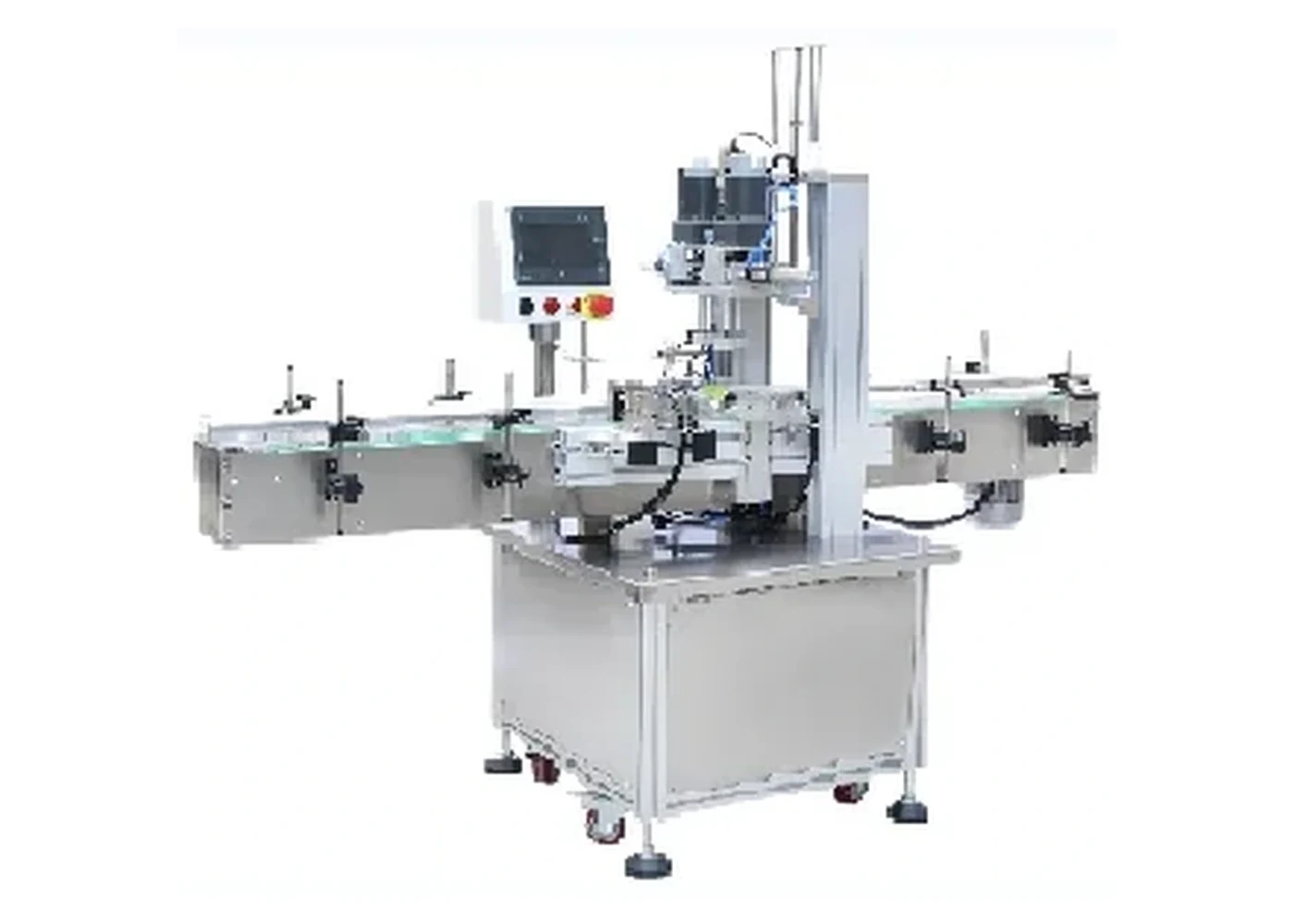
Lancing Ltd supplies packaging machinery from compact semi-automatic equipment to integrated automatic lines. Pump closures need specialist handling because the actuator, collar and long dip tube all affect feeding, insertion, bottle control and tightening.
Our machinery team helps you compare the right automation level, prepare representative samples and agree useful acceptance criteria before you commit to equipment.
Machine selection is based on the full pack and realistic production criteria.
Indicative guidance is kept separate from the project-specific proposal you approve.
The capper is considered alongside filling, conveying, labelling and packing.
Output and pack quality are translated into agreed acceptance checks.
Company details
Contact the machinery team for pump capping equipment, format review, sample testing and line-integration enquiries.
Next step
Share component samples and production targets so the machinery discussion can start with the actual handling challenge.
Evidence-led review
Lancing can discuss likely machine routes from photographs and dimensions, but final compatibility and performance require representative samples and agreed trial conditions.
| Review stage | What can be assessed | What remains to be confirmed |
|---|---|---|
| Initial enquiry | Closure family, likely automation route, major handling risks and missing project information. | Actual feeding, tube insertion, thread start, bottle stability and sustained output. |
| Sample review | Physical dimensions, drive surfaces, tube/neck relationship, bottle support and a proposed test plan. | Repeatable behaviour across normal component variation and production conditions. |
| Machine trial | Handling sequence, tooling, settings, quality method, fault response and observed output. | Final supplied scope, approved formats, interfaces and agreed acceptance conditions. |
| Technical proposal | Configuration, responsibilities, utilities, change parts, services and acceptance basis. | Any later component, layout or requirement changes that need formal review. |
| FAT / handover | Approved evidence, settings, changeover, recovery, training and outstanding deviations. | Site-specific performance where supply, utilities or adjacent equipment differ from the factory test. |
Clear photographs, bottle and pump drawings, tube dimensions, batch profile, target sustained output and a line layout can identify likely routes and obvious constraints. They help decide which samples are needed and whether the main risk is feeding, insertion, tightening, bottle support or integration.
Bulk tangling, retained tube curvature, actuator grip, thread start, cosmetic marking and bottle response to capping loads cannot be confirmed reliably from nominal dimensions alone. Representative pumps and bottles from normal supply allow these interactions to be observed under controlled conditions.
The final document should identify approved formats, machine configuration, tooling, utilities, interfaces, responsibilities, output and quality acceptance basis, testing, installation and support scope. Any later component or requirement change should be reviewed against that approved evidence.
Project review
Send the complete format list and production requirement so Lancing can identify the next useful sample or trial step.
Evidence-led selection
Lancing’s pump-capping review starts with bottles, pumps, dip tubes, normal component packaging, production targets and finished-pack requirements. This keeps the recommendation focused on the handling and acceptance risks that matter to the buyer rather than on an unsupported generic machine claim.
Projects can use the pump-capping project checklist to define the initial scope, the compatibility guide to prepare samples and the FAT and SAT guide to agree formal evidence where required.