
Application review
Review bottle, pump, tube, product and output requirements before selecting a machine architecture.
Pump capping project support
Support from initial format review and sample trials through line integration, installation planning, training and documented handover.
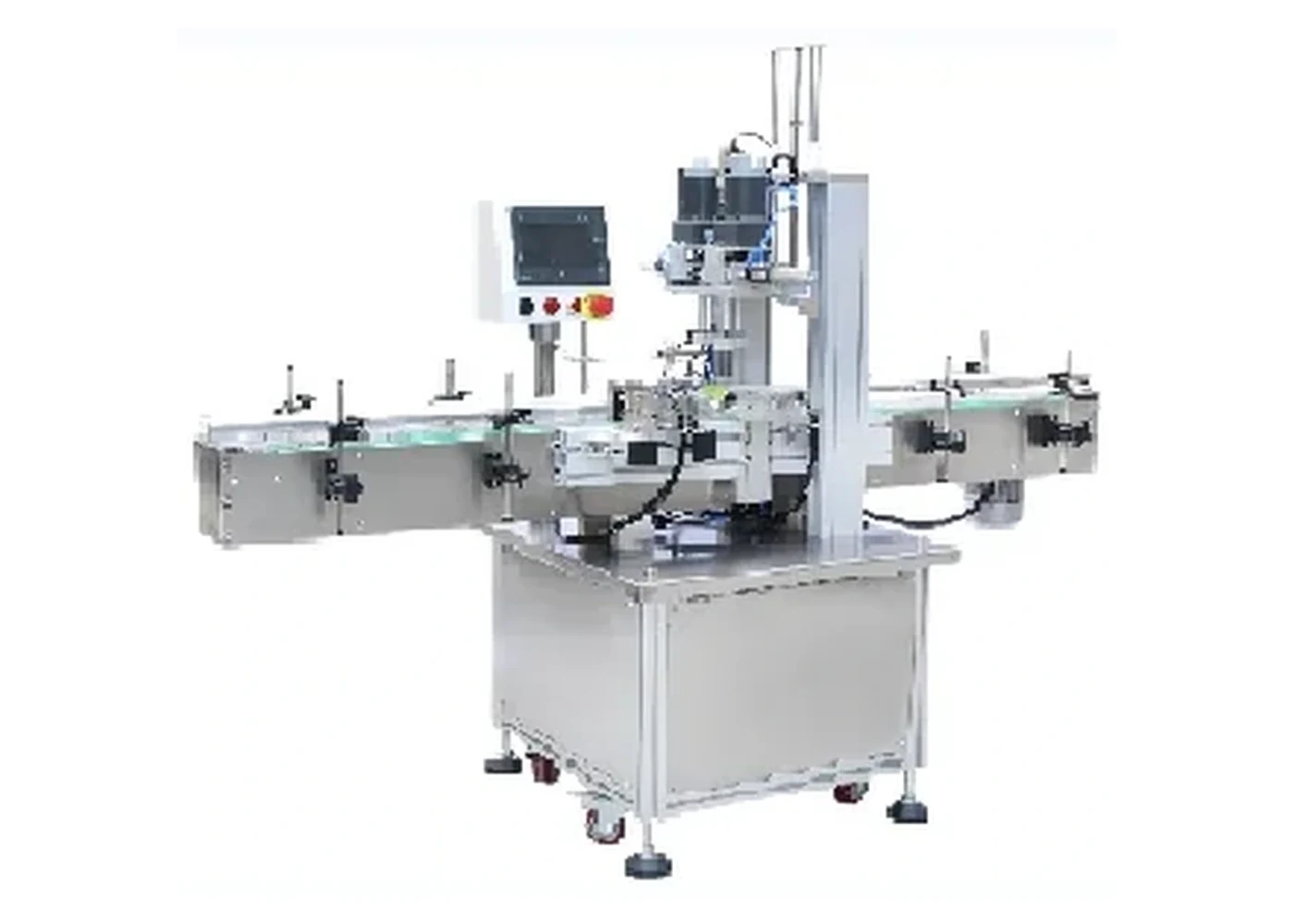 Review · trial · integrate · support
Project lifecycle
A successful capper project connects component behaviour, production targets, site interfaces and measurable acceptance criteria.
Review bottle, pump, tube, product and output requirements before selecting a machine architecture.
Agree representative components and acceptance criteria for feeding, insertion, tightening and presentation tests.
Define conveyor interfaces, controls, accumulation, guarding and handover with filling, labelling and packing equipment.
Prepare utilities, access, layout and commissioning responsibilities before equipment arrives on site.
Cover safe operation, format change, routine adjustment, cleaning, inspection and first-line fault finding.
Plan documentation, recommended spares and technical support around the final supplied configuration.
A clear route to quotation
Share the format matrix, output, line layout, utilities and required final presentation.
Provide representative production bottles and pumps, including expected variation.
Define feeding, placement, bottle control, capping and integration architecture.
Test the agreed risks and record the basis of performance.
Confirm scope, configuration, exclusions, acceptance criteria and commercial terms.
Plan installation, commissioning, training, documentation and support.
Factory acceptance
Output alone is not enough. A useful acceptance protocol records the exact components, machine settings, run duration and pack quality criteria.
Depending on the application, the protocol may cover pump feed success, tube insertion, cross-threading, removal torque, closure height, actuator direction, bottle marking, leaks, rejects and changeover.
Next step
Send the project checklist and initial sample photographs to begin an application review with Lancing Ltd.
Project evidence
Project support is most effective when every stage uses the approved formats, acceptance method and clearly owned equipment interfaces.
| Project stage | Evidence to produce | Decision it supports |
|---|---|---|
| Initial review | Format matrix, photographs, dimensions, target output, batch profile and line context. | Whether the likely route is semi-automatic, feeder-led inline, mixed-format, rotary or specialist. |
| Sample planning | Approved component revisions, quantities, bulk packing, filled/ballasted condition and worst-case formats. | Whether the proposed trial represents normal production supply and risk. |
| Technical proposal | Machine scope, tooling, utilities, line interfaces, responsibilities, exclusions and acceptance basis. | What is being supplied and how suitability and performance will be confirmed. |
| Design review | Layout, access, controls, feeder/capper handover, guarding interfaces, rejects and changeover concept. | Whether the complete cell can be operated, recovered, cleaned and integrated. |
| FAT | Run data, quality results, interventions, fault tests, changeover and agreed deviations. | Whether the defined machine scope meets the approved factory acceptance method. |
| Installation and handover | Site checks, commissioning record, settings, format parts, maintenance, recovery and training. | Whether production can restore and operate the approved process at site. |
Identify who supplies and controls pump feeding, conveyors, bottle pitch, guarding transitions, inspection, rejects, coding, filler and downstream equipment. Record signal names, physical handover points and response to stops. An interface without a clear owner can leave two individually functional machines unable to operate as one line.
Changes to bottles, pumps, tubes, labels, line speed, utilities or layout can invalidate earlier trial evidence. Record the requested change, affected documents, technical review, commercial effect and approval before implementation. Keep the previous approved condition available for comparison.
Handover should identify format parts and settings, first-off checks, normal replenishment, cleaning, wear items, maintenance access, alarm response and controlled recovery. Operator training should use the real production formats and include stop/restart and changeover tasks, not only steady running.
Project review
Send the format matrix, line layout and acceptance priorities so the review starts with the information needed for a defined scope.
Project lifecycle
A pump-capping project is easier to control when the pack, machinery boundary, installation condition and acceptance method are agreed before manufacture is complete.
Characterise the bottle, pump, actuator, dip tube and normal bulk packaging. Use the compatibility guide.
Define feeding, placement, tightening, tooling, controls, inspection and support using the cost-factors guide.
Confirm transfers, signals, access and utilities through the integration guide and site-preparation guide.
Agree the tested formats, sustained output, quality checks and deviations in a proportionate FAT and SAT protocol.
Retain approved recipes, tooling identity, first-off checks and maintenance records using the maintenance guide.
Defined project boundaries
A complete proposal should identify which supplier owns each sensor, reject decision, reject device, guard, interlock, emergency-stop interface and restart condition. That prevents critical functions being assumed by two parties or omitted between separate machines.
During the application review, state which quality defects must be detected online and which are controlled through scheduled sampling. Also identify routine access for pump replenishment, cleaning, tooling changes and fault recovery so the safeguarding and layout can be developed around real operator tasks.