Real machinery videos

See how capping machinery controls bottles and closures in production.

Start with a real machine demonstration, then validate the correct configuration using your own bottle, pump and required output.

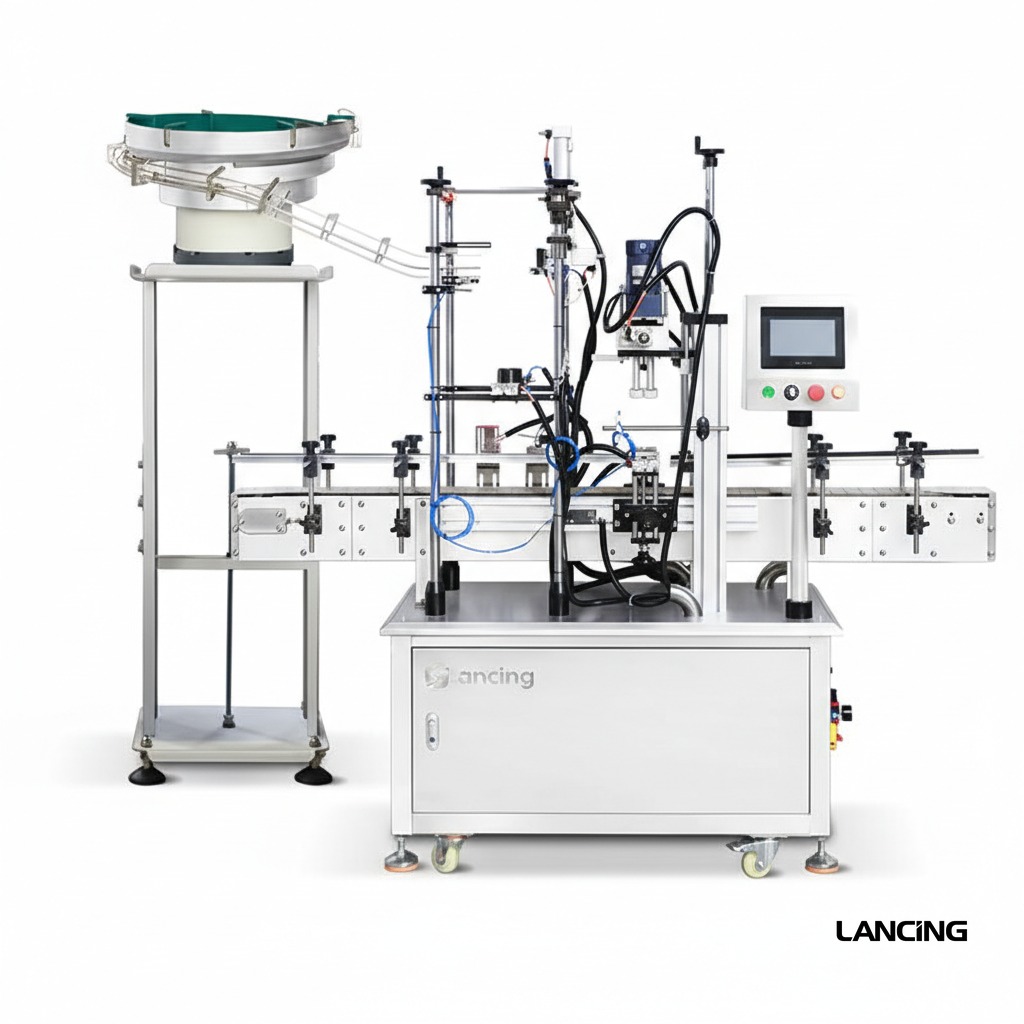
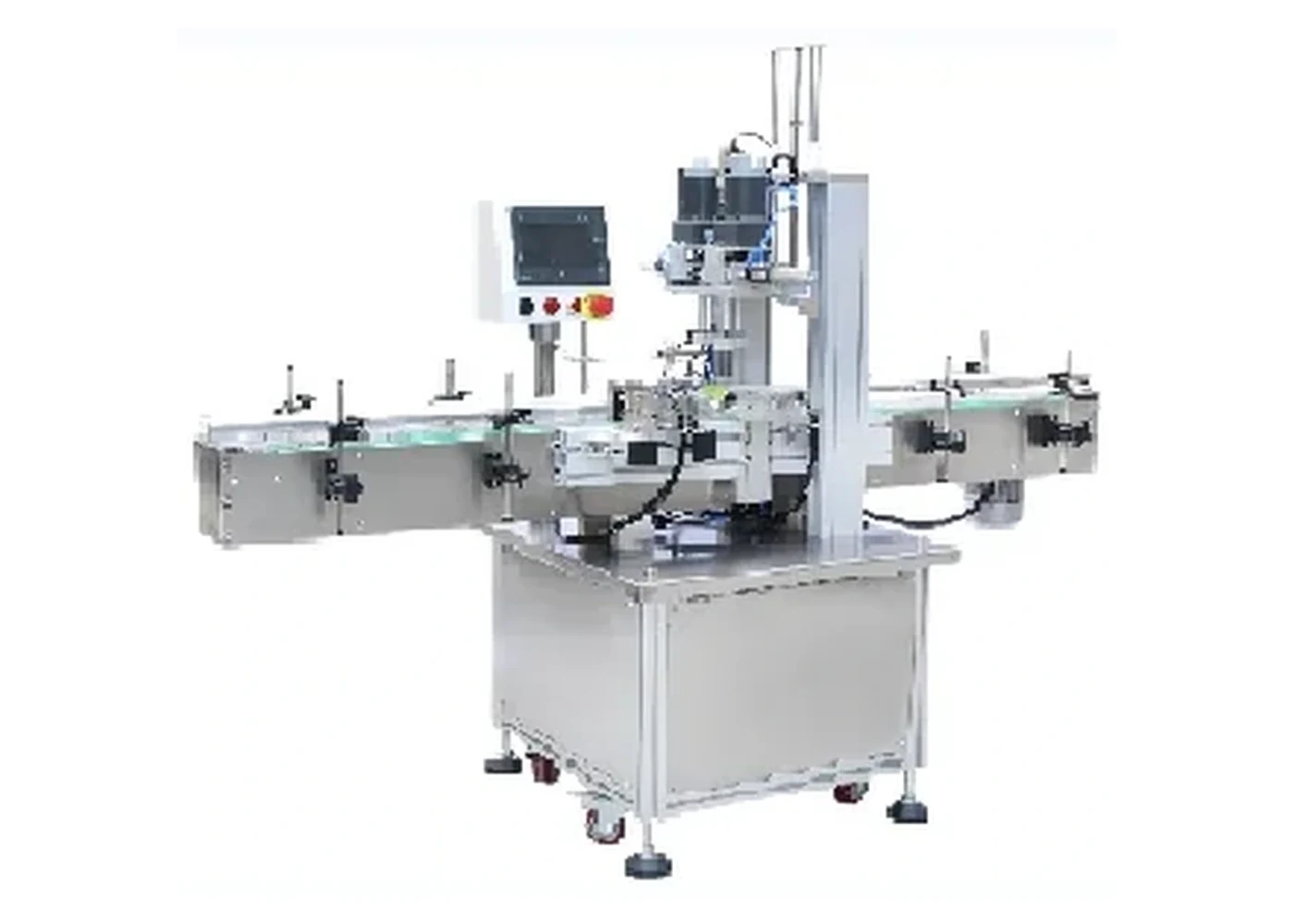
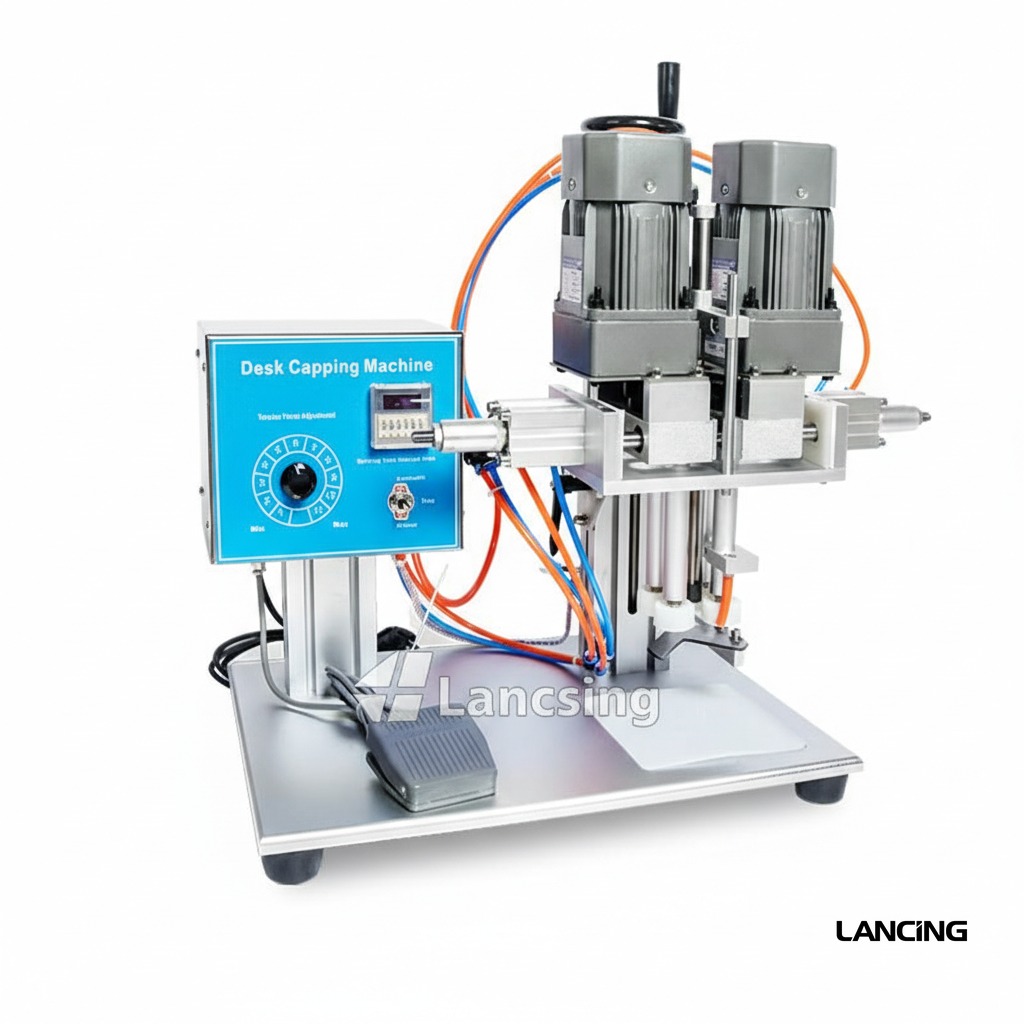
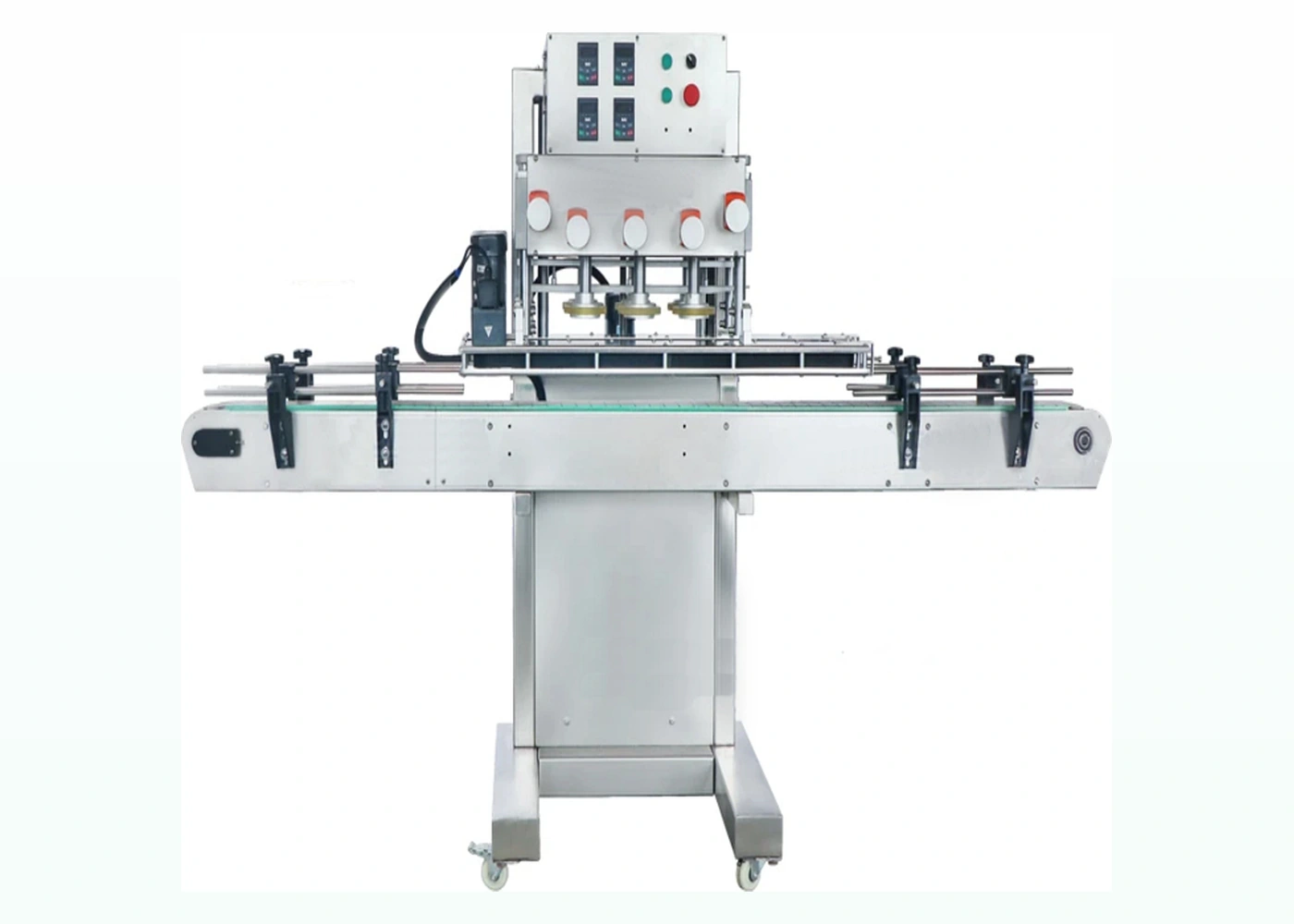
Automatic spindle capping machine for pump, spray and screw closures Open this machine video on YouTube

Video library

Watch machinery and make a more informed buying decision.

The featured player loads only after you press play. Every card also links to the original YouTube video in a new tab.

What to look for

Read the process, not only the headline speed.

01

Pump presentation

Is the actuator controlled, and does the tube arrive straight enough for reliable insertion?

02

Bottle support

Watch how the container is centred and stabilised before thread engagement.

03

Transfer timing

Look for smooth handover between feeding, placement, tightening and discharge.

04

Format relevance

A demonstration proves the shown pack, not every closure in the stated diameter range.

Next step

Arrange a sample-led machine review

Video is useful for orientation, but sample testing establishes whether a machine can handle your exact pump, tube and bottle at the required rate.

Video evidence

Use machinery footage to inspect timing, not to infer universal compatibility.

A video can show how one pack behaves under the recorded conditions. It does not prove every pump in a stated diameter range or every production environment.

Watch the feeder, handover and bottle neck separately

Use close views to see whether pumps separate cleanly, retain orientation, transfer without the tube catching and approach the neck squarely. A wider view should show bottle pitch, accumulation, line stops and the relationship between feeder and capper.

Check what happens outside steady running

Useful trial footage includes replenishment, a normal stop, controlled missing-bottle or missing-pump conditions, jam clearance and restart. These events show whether the sequence remains controlled and whether recovery creates unmatched bottles or closures.

Connect the video to an acceptance record

Label footage with the bottle, pump, component batch, machine configuration, setting, run time and measured output. Record quality results separately. Slow-motion or frame-by-frame clips can support diagnosis, but the approved result should remain a written test record.
Project review

Move from a general video to a sample-led review.

Send production bottles and pumps so the handling sequence can be assessed against your format and acceptance requirements.

Video as test evidence

Record the handling point that decides the result.

A useful pump-capping video shows the component condition before the operation, the critical action and the finished pack. For long dip tubes, include a clear view of tube entry and any contact with the neck or shoulder. For pre-threading, show whether the collar reaches the neck squarely before tightening begins.

Where actuator direction matters, include the bottle datum and final orientation. Where bottle stability is the concern, show the base, guides and neck through the full tightening zone. Slow-motion footage can reveal a near-miss, but the recording should identify the exact bottle, pump, component revision, settings and production condition.

Use the actuator-orientation guide, bottle-stabilisation guide and capacity-planning guide to decide what the test must demonstrate.

Call 01494 623015 Send project details